A century ago, marriage proposals rarely featured a sparkly diamond ring. Today, one cannot even think of proposing without this twinkling rock.
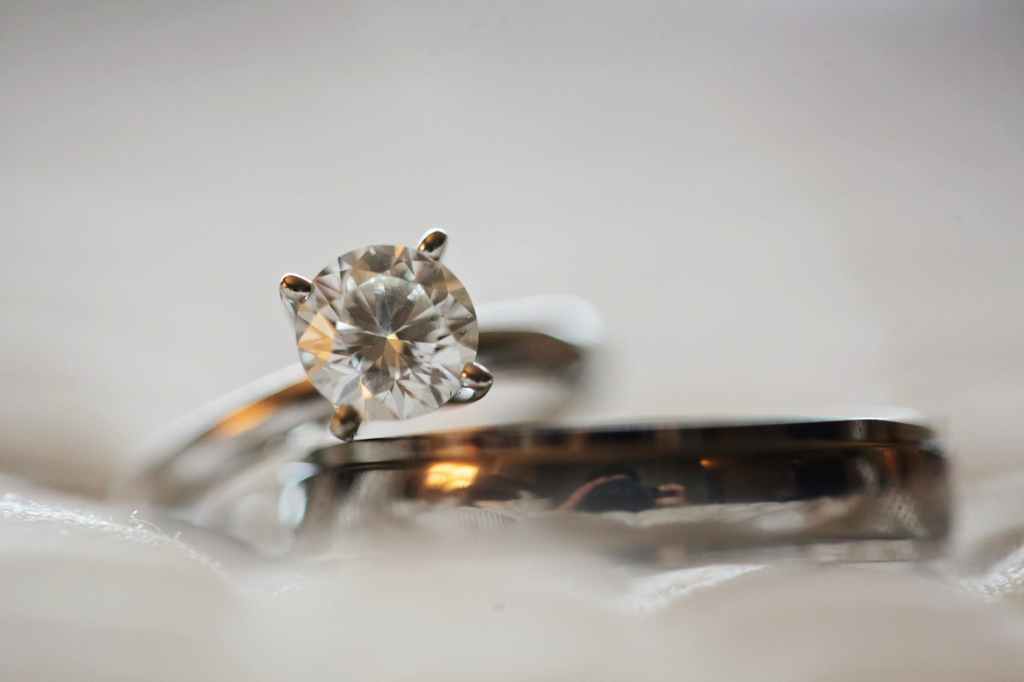
Today, a diamond is perceived as a rare, expensive and truly precious gem, symbolising everlasting love. But what if I told you that this symbolism was cleverly crafted through a simple marketing campaign?
Does the phrase “Diamonds are forever,” ring any bells?
Before we jump into the invention, yes invention, of the idea that diamonds are forever, let’s look at how diamonds were first commodified.
After all, why is a diamond given this position at the top of the precious gems hierarchy, when, contrary to popular belief, diamonds can in fact be shattered, chipped, dulled, or discoloured?
In the late 19th century, massive diamond mines were discovered in South Africa by, you guessed it, the British. As expected, they decided to claim this finding as their own property, and declared themselves owners of the mines.
They knew their economics well, because they not only controlled the supply, but also the demand of these diamonds by positioning them as rare and valuable. Their company was called De Beers Consolidated Mines Ltd. This company still exists today, and is a market leader in the diamond industry.
Quick exercise, if you look up De Beers, the Wikipedia description aptly starts their specialisations with diamond exploitation.
The company saw potential in the diamond business, but when the Great Depression hit in the 1900s, prices of diamonds were falling across the world. They knew they needed help to market their diamonds as rare and precious to continue making profits.
In 1938, De Beers hired a New York based advertising agency called N.W. Ayers, where they came up with the now famous slogan, “A diamond is forever”. What followed was influencer culture as we now know it.
Popular celebrities and A-listers were seen flaunting diamonds on their dainty fingers. Their portraits were featured in magazines for the middle-class consumers to ogle at, and these portraits were commissioned by the advertising agency. The Ayers campaign further reinforced the idea that if men wanted to show their everlasting love to women, a diamond was the way to go. Look, the celebrities agree too.
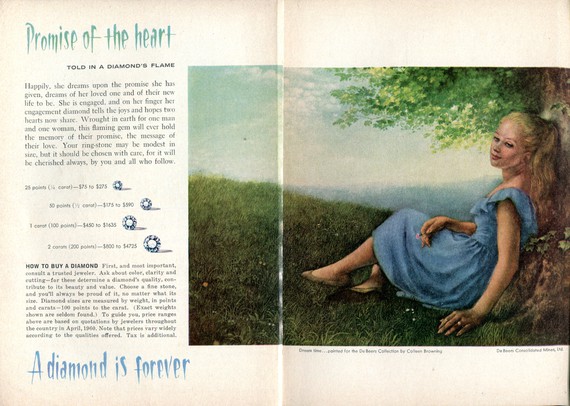
Results? Between 1939 and 1979, De Beer’s wholesale diamond sales in the US increased from a humble $23 million to a whopping $2.1 billion.
They didn’t shy away from marketing themselves in nations where diamond gifting wasn’t a big thing. For example, in countries like Japan, back then less than 5% of marriage proposals ended with a diamond ring. But because of De Beer’s clever marketing and aggressive pushing of Western “ideologies”, this percentage went up to 60%. Japan became the second largest market for diamonds after the US.
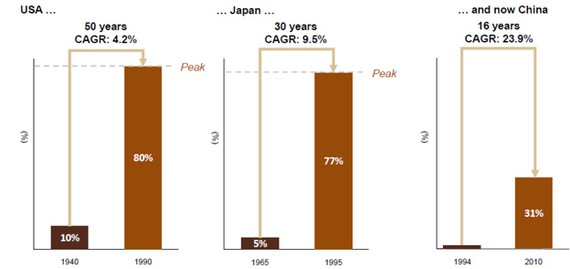
According to this 2014 Bain report, India, China and the US will drive the majority of growth in diamond consumption over the next decade, partly because of growing interest in diamond engagement rings in India and China.
And we now know that this interest the report speaks of wasn’t organic, but cleverly manufactured.
Even though De Beers isn’t as well known as it used to be, we all know the brand Forevermark, which happens to be a subsidiary of De Beers group. It’s almost as if they invented the idea of a diamond representing everlasting love, and then reinforcing that idea of foreverness explicitly through their brand name.
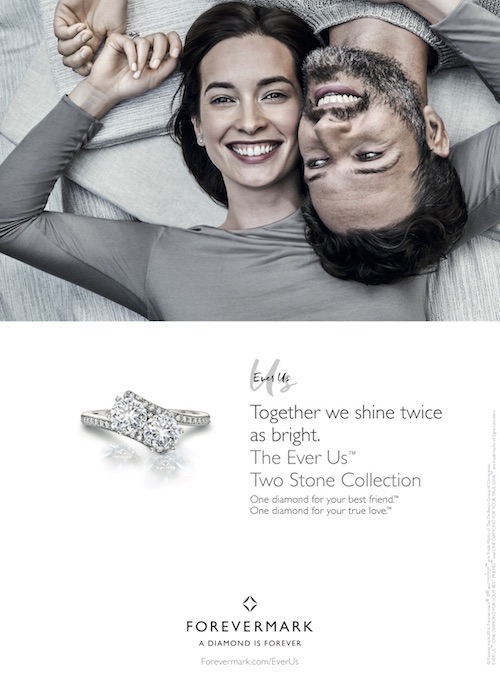
Forevermark‘s tagline is “A diamond is forever,” and we just traced its origins. In India, if we take a look at all diamond ads, they showcase happy couples picking out or exchanging rings at fairytale weddings. To tie in the Indian culture of how a marriage isn’t just between two people, but two families, many ads show diamond jewellery being passed down as family heirlooms. Fascinating stuff, no?
All festivities to do with love, be it Valentine’s Day, or weddings, feature diamonds. And we’ve learnt that this idea of diamonds symbolising immortal and infinite love didn’t come from nowhere, but was cleverly invented.
If you’d like to read more stuff like this, leave a comment! Hit the follow button too while you’re at it?
 Hey, I'm Bhavishya
Loved this!!
LikeLiked by 1 person
Thank you!
LikeLike
Interesting!!
LikeLiked by 1 person
Thanks ❤
LikeLike
Wow! Loved reading this.
LikeLike
Thanks Mrinai!
LikeLike
I didn’t know this. Fascinating information!
LikeLike
Thank you!
LikeLike
Fascinating stuff!!! Your blog is helping me learn more 😊
LikeLiked by 2 people
Thank you!
LikeLike
Wow thats nice Bhavisha,Thanks for sharing information,so true love is more imp.than all this material thing
LikeLike
Yes! The idea of everlasting love was an invention
LikeLike